
My Daily Study Routine for Better Grades
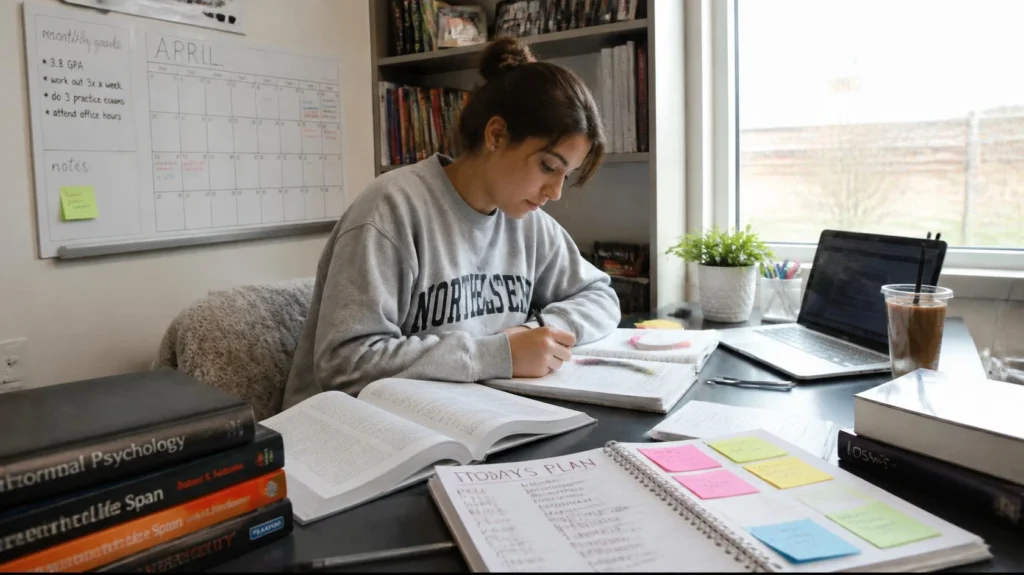
Starting university at KFU changed the way I looked at learning. A busy schedule, new expectations, and a fast academic pace made me realize that studying well was not about doing more. It was about doing the right things with consistency.
The turning point came when I built a Daily Study Routine that matched my classes, energy, and goals. That routine gave my day structure, kept distractions under control, and made it easier to move toward Better Grades without feeling overwhelmed.
Building My Daily Study Routine
A routine becomes useful only when it fits real student life. At KFU, I needed something flexible enough for lectures, assignments, and personal time, but disciplined enough to keep me moving forward. That balance became the foundation of my study habits.
Adjusting To Life At KFU
The first step was adjusting to the rhythm of campus life. I stopped treating every day as unpredictable and began organizing my study blocks around class hours, meal breaks, and rest. That small change made my day feel clearer and more manageable.
Planning Productive Study Hours
I found that productivity depends on timing as much as effort. My most focused hours were usually early in the day, so I used them for reading, problem-solving, and review. Later in the day, I handled lighter tasks such as organizing notes or checking assignments.
Setting Daily Academic Goals
Each morning, I set simple academic goals that I could actually finish. Instead of writing a long list, I focused on a few meaningful tasks, like revising one lecture topic or completing one practice set. That kept my attention sharp and my progress visible.
Making Every Study Session Count
Once my routine felt stable, I started paying closer attention to how each study session was used. Small improvements in focus, location, and review habits made a noticeable difference in how much I retained.
Better Grades became more realistic when I treated every study session as a deliberate investment, not just a block of time. I began choosing environments that reduced distraction and helped me think more clearly.
Using Kazan Federal Library Resources
The library at KFU became one of my most reliable study spaces. It offered quiet, structured, and distraction-free time, which helped me concentrate better. I also used reference books and academic materials there to strengthen my understanding of difficult topics.
Reviewing Notes After Lectures
I learned quickly that waiting too long to review notes weakens memory. I made it a habit to revisit lecture content on the same day, while the ideas were still fresh. That simple practice helped me spot what I understood and what still needed attention.
Balancing Coursework Efficiently
Balancing coursework meant learning how to prioritize without panic. I grouped assignments by deadline and difficulty, then worked through them in smaller sections. That approach kept my workload under control and prevented the last-minute rush that often leads to careless mistakes.
Improving My Academic Results
As my routine became more consistent, I began seeing stronger academic results. The difference was not dramatic overnight, but it was steady, and that mattered more. Progress started to show in quizzes, classroom discussions, and overall confidence.
This is where the routine proved its real value, it was not only helping me study more effectively, but also helping me learn how to improve from one week to the next.
Preparing For Weekly Assessments
Weekly assessments became easier when I prepared in shorter, regular sessions. I used quick reviews, sample questions, and recall practice instead of trying to memorize everything at once. That method helped me enter tests with more clarity and less stress.
Learning From Faculty Feedback
Feedback from faculty members gave my study routine a sharper direction. When I saw the same type of comment more than once, I knew it was something I had to fix. That made feedback useful instead of intimidating, because it showed me where to improve next.
Tracking My Learning Progress
I also started tracking my progress more carefully. I noted what I completed, what I struggled with, and what improved after each week. That habit kept me honest about my growth and helped me see that consistency often matters more than intensity.
Start Building Better Study Habits At KFU
A strong study routine does not need to look complicated. It needs to be practical, repeatable, and honest about what actually works. As Benjamin Franklin once said, “An investment in knowledge pays the best interest.” That idea fits student life well, because every focused study hour can shape better results later.
John Dewey put it even more simply, “Education is not preparation for life, education is life itself.” That is why building better study habits matters so much. They are not just exam tools. They shape how you think, organize, and grow each day.
For me, the most useful change was learning to keep my routine steady even when my schedule felt full. A clear Daily Study Routine created more space for focus, better review, and stronger confidence. It also made Better Grades feel achievable through daily discipline, not pressure.
Start with one small habit today, and let it grow into something stronger.