Using AI to Build Science Flashcards
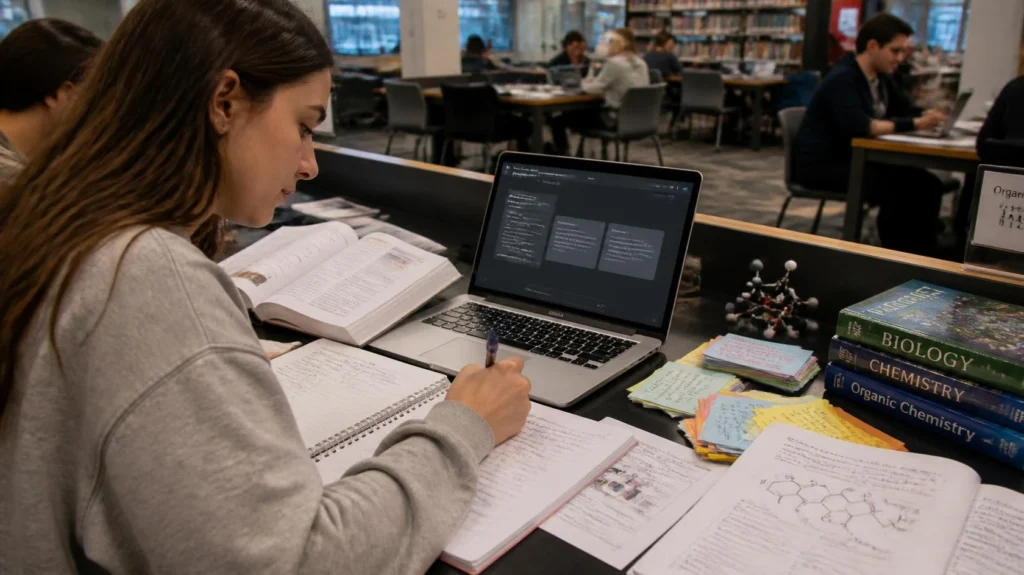
Science can feel dense, technical, and easy to forget when revision is left too late. The fastest way to make it manageable is to turn heavy notes into short prompts that force your brain to remember, not just recognize. That is why flashcards remain such a powerful study method, they turn passive reading into active recall, and active recall is one of the most reliable ways to strengthen long-term memory.
For students who want a sharper system, Build Science Flashcards can make revision feel more organized, more focused, and far less overwhelming. Pooja K. Agarwal’s reminder that flashcards work best when they truly trigger retrieval, not quick flipping, captures the point well, “pulling information out instead of putting it in”. An AI Flashcard Generator helps you transform lecture notes into compact questions, spot weak topics faster, and keep your review sessions lean and purposeful.
How AI Creates Better Science Flashcards
AI can speed up the first draft, but the real value comes from how carefully you shape the cards. When the tool is guided by clear learning goals, it can help you separate definitions, processes, and comparisons into short study prompts that are easier to review and remember. That is especially useful in science, where one long paragraph often hides several testable ideas.
Turning KFU Lecture Notes Into Cards
Start with one lecture and ask AI to break it into single-idea cards. This keeps your deck clean and makes it easier to study in short bursts. A card about photosynthesis, for example, should test one concept, one definition, or one relationship at a time. That simple discipline creates a more usable deck for turn lecture notes into flashcards faster and keeps your science revision practical instead of cluttered.
Identifying Key Science Concepts
The strongest cards do not copy the textbook line by line. They isolate the key concept, the formula, the process, or the exception that a student is most likely to miss. In this part of the workflow, AI Flashcard Generator support is useful because it can help surface the core idea quickly, while you decide whether the wording is accurate and exam-ready. That balance keeps the cards focused and useful.
Organizing Topics For Quick Review
Once the cards exist, arrange them by topic, difficulty, or exam unit. This makes review more efficient and helps you move from easy recall to harder material without wasting time. Science becomes easier to revisit when the structure is tidy, because your brain spends less effort searching and more effort retrieving.
Using AI For Smarter Science Revision
AI is most helpful when revision needs to feel personal. You can ask for simpler wording, more examples, or tougher questions depending on what you already know. Used well, it becomes a flexible study partner rather than a generic note maker, and that is what makes the process feel tailored to your own learning pace.
Generating Personalized Flashcards
Some chapters feel easy, others feel stubborn. AI lets you respond to that difference by creating cards at different levels of difficulty, so you can spend less time on what you already know and more time on what still feels unstable. That is one reason the phrase best AI flashcard generator for science students keeps surfacing in study discussions, personalization matters.
Reviewing Difficult Science Topics
Difficult topics need repetition, but not random repetition. Retrieval practice and spaced review work better when the questions stay sharp and the answers are actually pulled from memory. Daniel Willingham’s well-known line, “Memory is the residue of thought,” fits this perfectly, the more carefully you think about a science idea, the more likely it is to stick.
Improving Recall Before Exams
The days before an exam are not the time to collect more notes, they are the time to strengthen recall. Short, repeated flashcard rounds can help you revisit formulas, vocabulary, and processes quickly, which is why science exam revision with AI can feel so efficient when the deck is well built. Flashcards are not magic, but when they are used for real retrieval, they become very effective.
Why AI Supports Science Learning
AI supports learning best when it stays transparent and human-guided. UNESCO’s guidance on generative AI in education emphasizes a human-centered approach, and OECD notes that generative tools are most useful when they support clear teaching and learning goals rather than replacing them. In practice, that means AI should help you think more clearly, not think for you.
Practicing With AI Flashcards Daily
A little practice every day is better than a giant cram session at the end of the week. Daily flashcard review keeps the material active in your memory and makes each topic feel less intimidating. Over time, that regular rhythm builds steadier recall and a calmer approach to science study.
Verifying AI Content With Faculty
Even good AI output should be checked against class materials and faculty guidance. That step matters because accuracy is everything in science, especially when a formula, label, or process explanation could be slightly off. A quick verification keeps your deck trustworthy and aligned with what your course actually expects.
Using AI Responsibly At KFU
At KFU, the smartest routine is simple, generate the first draft, verify the important details, and keep the cards focused on one idea at a time. That workflow keeps your study set clean, efficient, and useful when revision time gets short. Responsible use is what turns AI from a shortcut into a real study advantage.
Discover AI Powered Science Learning At KFU
The real advantage is not having more flashcards, it is having better ones. When your cards are built around retrieval, organized by topic, and checked for accuracy, science begins to feel less like a wall of information and more like something you can actually master. That is the quiet strength of Build Science Flashcards, it turns revision into a habit that feels lighter, sharper, and far more effective. Try one chapter today and build your first deck.