
Preparing My Resume Before Internship Applications
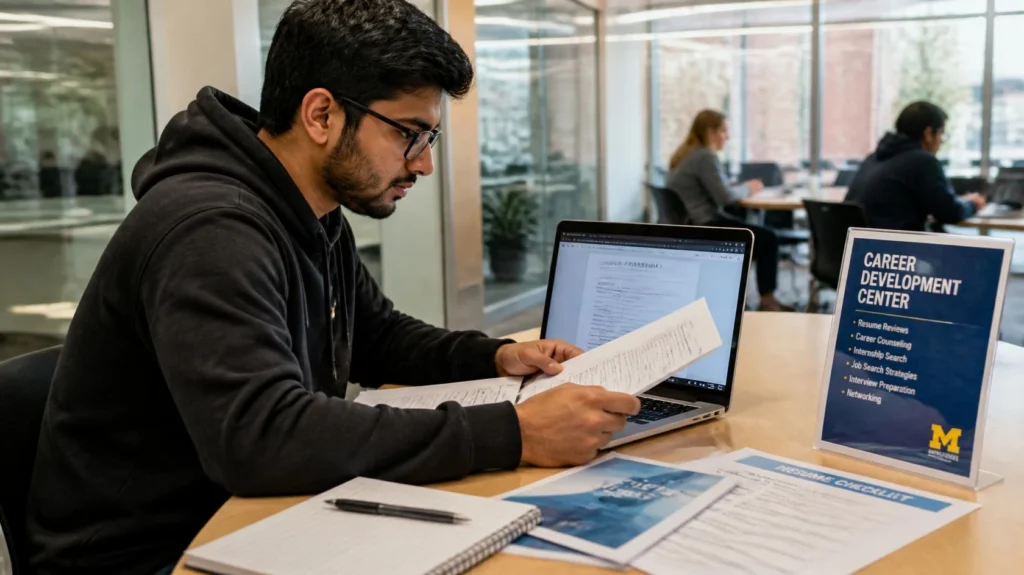
Starting a resume for internships can feel intimidating at first, especially when your experience is still growing. But that is exactly why the first draft matters, it helps you turn classwork, campus involvement, and small wins into a clear professional story that employers can actually read and remember.
Preparing My Resume becomes much easier when you think of it as a bridge between student life and real work. The goal is not to sound perfect. The goal is to sound clear, relevant, and ready, while matching what recruiters are already looking for in a Resume for Internship Applications.
Preparing My First Internship Resume
A strong internship resume begins with direction. Before you write anything, decide what you want the reader to notice first, your skills, your projects, or your academic strengths. That simple choice helps your resume feel focused instead of crowded.
A Resume for Internship Applications should be easy to scan, practical to read, and specific enough to show potential. It should also feel tailored to the role, because a generic document rarely creates a strong first impression.
Identifying Skills From My Courses
Your courses already contain useful material. Think about the software you used, the theories you applied, the presentations you delivered, and the problems you solved. Those details can become strong resume language when you describe them with action and purpose.
Instead of listing subjects alone, connect them to abilities. For example, research, communication, teamwork, and analysis all matter because they show what you can contribute in a real internship setting.
Highlighting Projects At KFU
Projects at KFU can do more than fill space. They can show initiative, problem-solving, and follow-through. A project becomes stronger when you explain what you built, why it mattered, and what result came from it.
This is where a student resume starts to feel more convincing. Even one well-described project can say more than a long list of unrelated activities.
Organizing My Academic Achievements
Academic achievements should be arranged with care, not buried in the middle of the page. Scholarships, GPA, awards, and competition results all help build credibility when they are presented in a clean and readable way.
A well-ordered education section also supports an ATS-friendly resume because it keeps the information simple, structured, and easy to process.
Strengthening My Resume Content
Once the basics are in place, the next step is depth. This is where you move from a simple student profile to a sharper personal profile that feels ready for internships and future opportunities.
The best internship resume tips usually focus on detail, relevance, and honesty. A strong resume does not try to sound impressive in every line, it tries to sound useful.
Showcasing Research Experience
Research experience can be a major advantage, even when it started inside a class. If you worked on a paper, survey, experiment, or case study, explain your role and the skills it developed.
That kind of detail helps the reader see discipline and curiosity at the same time. It also gives your Preparing My Resume process a more serious and polished direction.
Adding Student Organization Roles
Student organization roles are valuable because they show more than participation. They show responsibility, leadership, and communication. If you helped plan events, manage tasks, or support a team, say so clearly.
A small role can still carry weight when it is described with precision. That is how a CV for students starts to feel active instead of passive.
Using Career Support At KFU
Career support at KFU can help you notice weak spots before employers do. A mentor, lecturer, or career advisor may see how to sharpen your wording or improve your structure in a way you might miss on your own.
As Stephen Covey once said, “The key is not to prioritize what’s on your schedule, but to schedule your priorities.” That idea fits resume preparation well, because the smartest students prepare early instead of waiting until the deadline arrives.
Getting Ready For Applications
A resume becomes far more effective when it matches the job. This is where your content needs to sound intentional, because employers notice when a resume reflects the role they posted.
When you review your final version, make sure your wording supports both clarity and fit. A strong job application resume often works because it answers the employer’s real question, “Why should we consider this person?”
Tailoring My Resume For Employers
Different internships value different strengths, so your resume should adjust accordingly. If a role emphasizes teamwork, place your teamwork experience closer to the top. If it values research or technical skill, make that easier to find.
Reviewing My Resume With Mentors
Mentors can help you separate what feels important from what actually reads well. They may notice if your descriptions are too vague, your order is confusing, or your strongest point is not visible enough.
Peter Drucker’s famous line, “The best way to predict the future is to create it,” fits this stage well. Review is not just editing, it is preparation for the opportunity you want next.
Building Confidence Before Applying
Confidence grows when your resume reflects real effort. Once your content is clean, relevant, and honest, you can submit it with less hesitation and more focus.
That calm confidence is one of the most underrated benefits of Preparing My Resume properly. It gives you a stronger posture before you even enter the interview stage.
Start Your Career Journey At KFU
Your resume is not just a school requirement. It is the first professional document that tells your story, and at KFU, that story can begin with your coursework, your projects, and your willingness to prepare carefully.
If you treat each section with intention, your Resume for Internship Applications will feel more believable, more organized, and more ready for the real world. Start now, refine it step by step, and let your best work speak first.